

Dealing With the Family Home in a New Jersey Divorce
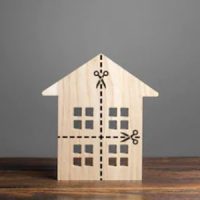
For many New Jersey couples, the family home is their most valuable asset. In addition to representing significant investments of both time and money, it also holds precious memories that can make it difficult to part with.
When a marriage ends, deciding what happens to the family home is often one of the most contested issues in a New Jersey divorce. Our Red Bank divorce lawyer explains how state laws apply and the options available.
How New Jersey Law Treats the Family Home in Divorce
New Jersey is an equitable distribution state. This means that, rather than dividing marital property evenly in a Red Bank divorce, the court aims for a fair division based on the specific facts of each case.
Under Section 2A:34-23 of the New Jersey Statutes, family courts weigh several factors when determining how to handle the marital home, including:
- The length of time you were married and each spouse’s financial contributions to the property.
- Whether minor children are involved and which parent has primary custody.
- Each spouse’s current income, earning capacity, and financial resources.
- The current fair market value of the home and any outstanding mortgage balance.
- The ability of either spouse to maintain the home independently after divorce.
- The tax consequences of selling versus retaining the property.
Keep in mind that equitable distribution applies only to marital property. However, a home purchased before the marriage may still be subject to partial equitable distribution if you used marital funds to pay down the mortgage or fund significant improvements.
Options for Handling the Family Home in a New Jersey Divorce
Once you establish the home’s value and ownership history, divorcing couples generally have three practical options for resolving what happens to the property:
- You can sell the home and divide the proceeds. This provides a clean financial break, but it requires both parties to move and can be difficult emotionally.
- One spouse may buy out the other. However, this requires them to refinance on their own, which can prove challenging.
- You continue to co-own the property for a predetermined period, such as until young children finish school. This provides some stability during a difficult time, but also means working together with your former spouse.
Regardless of which option you choose, get a formal appraisal to establish the home’s fair market value, determine potential capital gains tax implications, and contact our experienced New Jersey divorce lawyer before signing any documents or accepting a settlement.
Request a Consultation With Our Experienced Red Bank Divorce Lawyer Today
Determining what happens to a family home in a New Jersey divorce is never easy. At Sanvenero & Cittadino Law Office, our Red Bank divorce lawyer explains your options, protects your financial interests, and helps you get the best possible outcome under New Jersey law.
To request a consultation, give us a call or contact us online today. We provide trusted, experienced legal representation to clients in Shrewsbury, NJ; Monmouth County, NJ; Central New Jersey; and throughout New Jersey.